For centuries, fabric wall art has been used to accentuate interiors, and even outdoors.
During earlier times, traditional fabric wall arts largely reflected cultural and religious influences. On display on walls were pristine traditional weavings that displayed scenes from nature, daily routines, and architectural beauties.
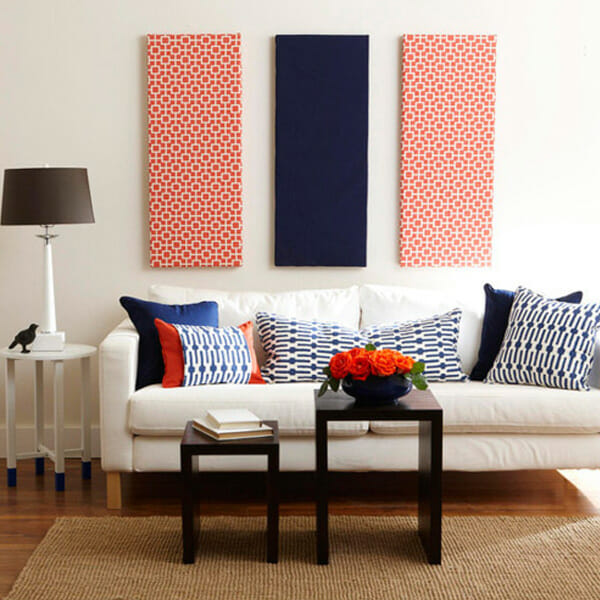 |
| Image source: modernize.com |
Over the years, the ornament evolved into hand-painted fabrics, using natural dyes derived from plants and insects. The development of textile paint and other similar art materials has made it easier for designers to decorate canvases to one’s liking.
Tapestries, which are typically made of fabric, have also provided aesthetic values to interior designs when they are hung on the wall, much like the way carpets adorn floors. Tapestries were prominent in the interior styles of historical infrastructures, and they were one of the most favored gift items or offerings.
Nowadays, fabric wall art is still popular among homeowners and interior designers. It grants them freedom to decorate walls depending on the overall interior motif, personal preference, or the desire to be adventurous with designing.
Another reason people love fabric wall art is that they can create the artwork for themselves. The first step is to decide on the size, shape, and frame of the intended design. After which, the individual has the liberty to choose which fabric or textile and pattern he desires.
 |
| Image source: feltissimo.blogspot.com |
George Bardwil is the owner of Bardwil Industries, a manufacturer, importer, wholesaler, and retailer of textiles and fabrics. Follow this Twitter account to learn more about the industry.


